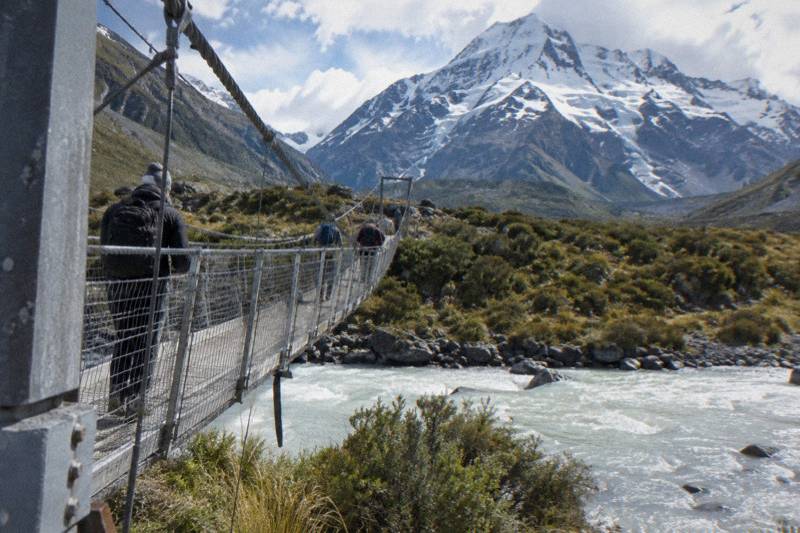
What Is The Best Time To Visit Mount Cook?
Season by season decision guide for timing a Mount Cook trip from Lake Tekapo, covering road closures, shuttle meeting times, track timing and parking pressure.
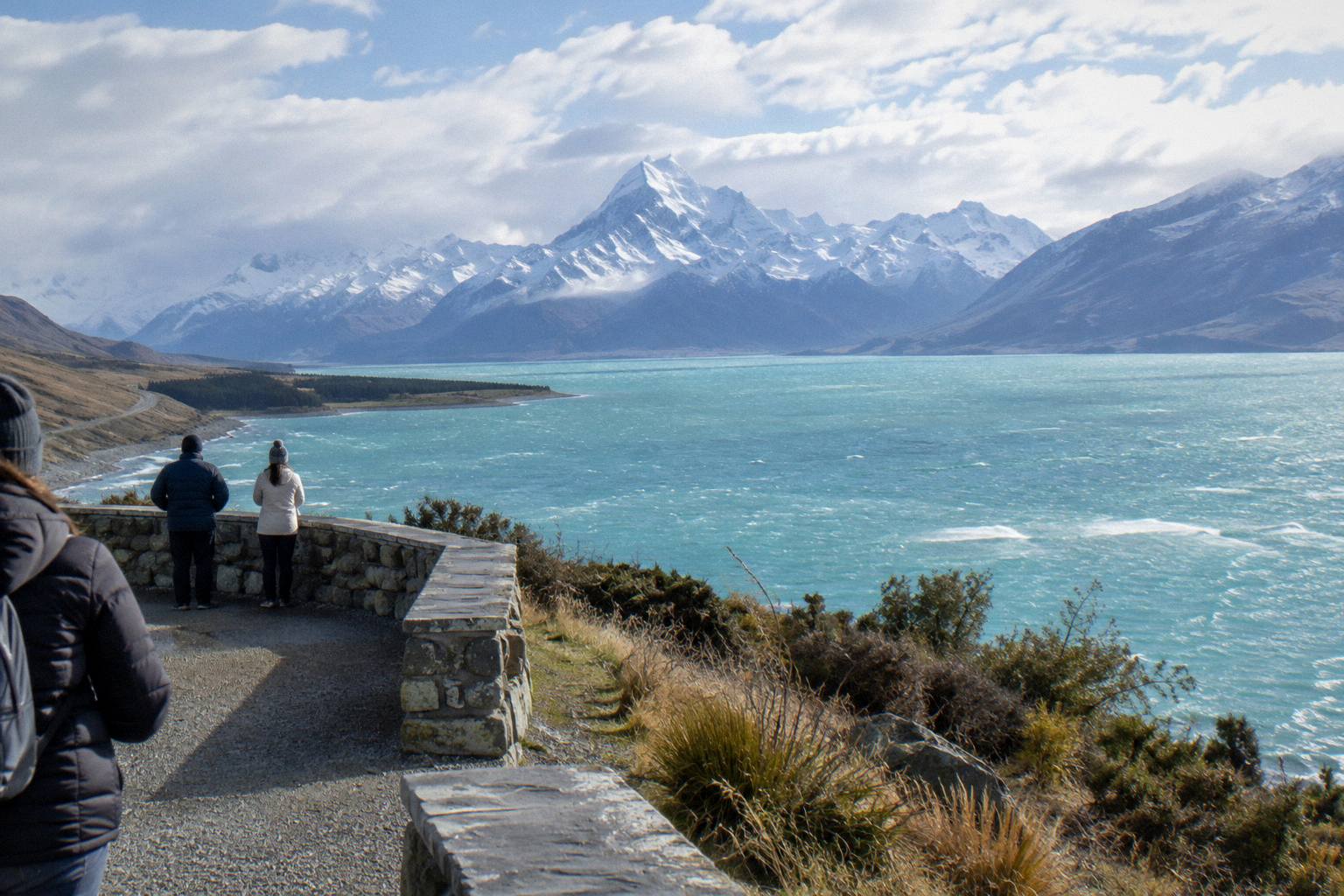
In short: the answer is that timing at Mount Cook is about access, not about a calendar of perfect weather. No temperature, rainfall or snow figure appears in any official source for the village, so no season can be promised as mild or clear. What you can plan is which closure risks you accept, how much daylight your walks need, and how you handle the busy stretch of November to April.
Start with the Full-Day Shuttle Via Pukaki tour page to see how one product runs the whole route in a day, then work backwards to a season. This piece works through the timing question using only what official sources and operator listings state, and it flags the gaps plainly. All dollar amounts are New Zealand dollars.
| Fact | Detail |
|---|---|
| Road to the village | State Highway 80, 54.7 km from State Highway 8 at Lake Pukaki |
| Drive from Lake Tekapo to the village | About 1 hour 15 minutes |
| Main closure causes | Snow, ice, avalanche and floods |
| Road check before travel | NZTA Journey Planner or 0800 4 HIGHWAYS |
| Hooker Valley Track | About 3 hours return from White Horse Hill car park |
| Day shuttle meeting time | 8:00 September to May, 8:30 June to August |
| Busy parking window | Tasman Valley car park, November to April |
| Dark sky reserve | 4,367 sq km, designated June 2012 |
The best time to visit Mount Cook cannot be pinned to a single month with any confidence. No official temperature, rainfall, snowfall, or wind statistics for Aoraki / Mount Cook appear in any sourced record, so any page naming one specific best month is guessing rather than reporting evidence. Travelers should treat claims of an ideal month with skepticism. What the record does hold is track times, road lengths, closure causes and operator schedules, and those are enough to make a real decision. The choice you face is between three trade-offs: longer days and busier car parks from November to April, winter road risk with snow spikes in the colder months, and shoulder seasons where the shuttle meeting time sits at 8:00 rather than 8:30. Pick the trade-off, not a month, and the rest of this guide shows you how.
The one dated seasonal fact that is verifiable is operational: the day tour meets at Four Square Tekapo at 8:00 from September to May and 8:30 from June to August. That single hour shift is the clearest seasonal marker any operator on the route publishes, and it quietly tells you the operator expects slower roads and shorter daylight in the June to August window. Clock times are printable only for this tour and only attributed to it, so resist copying them onto any other product.
Everything else about "when" falls into three buckets: whether the road is open, whether you have enough daylight for the walks, and whether you can park. The sections below take each in turn, using only the figures official sources and operator listings provide, and they say nothing where no sourced fact exists.
When Is The Road Most Likely To Close?
Snow, ice, avalanche and floods are the four causes that can close State Highway 80, and all four cluster in the colder half of the year, which makes winter the season with the most access risk and no other season risk-free. The NZ Transport Agency maintains the 54.7 km road from State Highway 8 at Lake Pukaki to Mount Cook Village, and its guidance is to check the NZTA Journey Planner or call 0800 4 HIGHWAYS before travel. Chains are often required in snow and ice on alpine highways. No current closure or condition is given here, because conditions change and any snapshot would go stale the day it was written.
What that means practically: if you visit between June and August, build a buffer into your plans. A same-day arrival and departure in winter leaves no room for the road to reopen after a storm, whereas a trip with a night either side can absorb a closure day. The road is mostly two lanes with a few single-lane bridges, and the first 31 km run beside Lake Pukaki, so a closure anywhere on that stretch cuts the only road into the village.
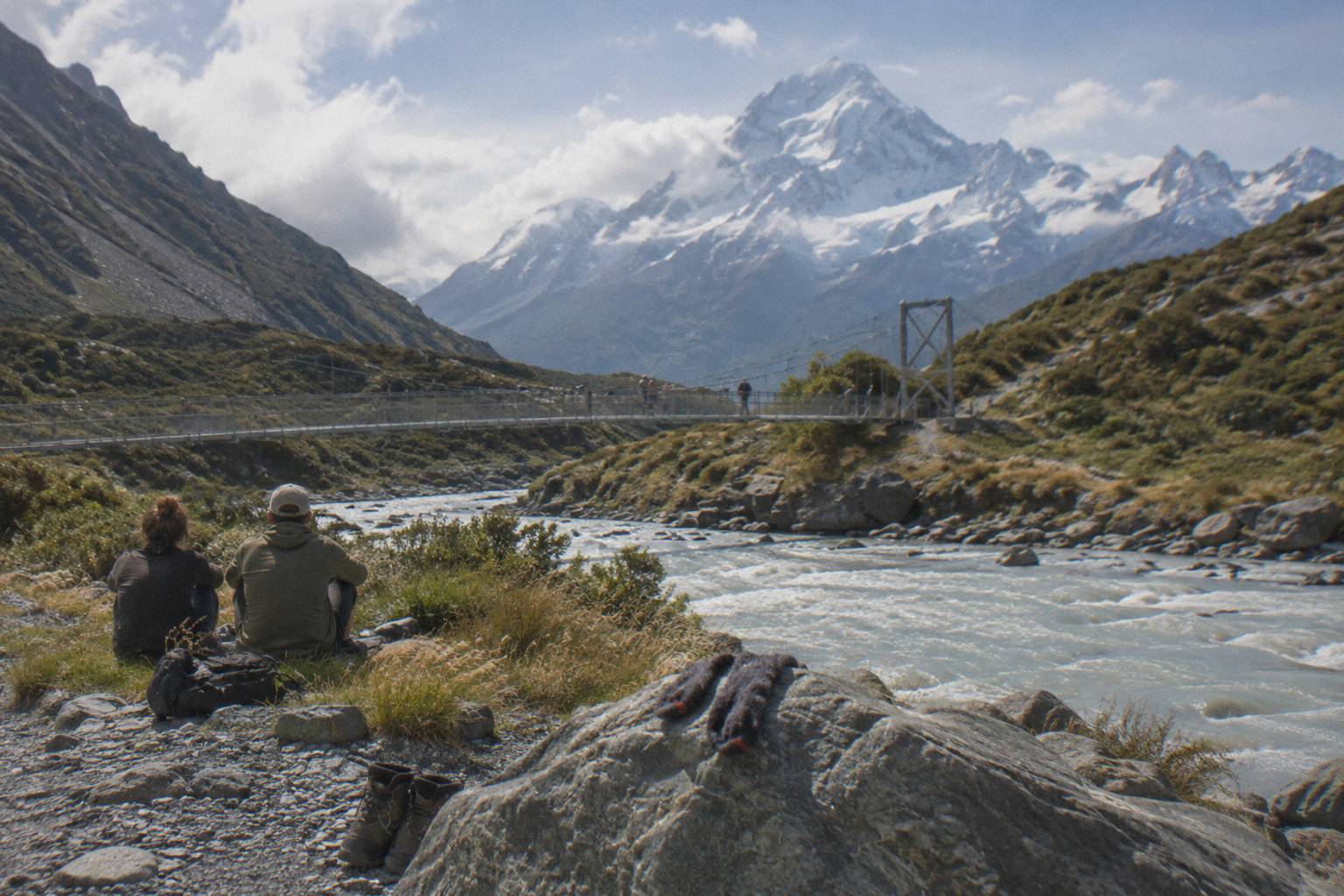
If a winter closure does bite and you are booked on a shuttle, the operator decides whether the day runs, and the cancellation terms on the booking page spell out what happens next. Check those terms when booking rather than the morning of. For a fuller treatment of the road itself, the State Highway 80 route and closure guide works through the mechanics of chains, closures and reopens.
| Road Factor | What The Official Record Says |
|---|---|
| Road name and length | State Highway 80 (Mount Cook Road), 54.7 km |
| Maintained by | NZ Transport Agency |
| Layout | Mostly two lanes, a few single-lane bridges |
| First stretch | 31 km beside Lake Pukaki |
| Closure causes | Snow, ice, avalanche, floods |
| Before travel | Journey Planner or 0800 4 HIGHWAYS |
| Winter equipment | Chains often required in snow and ice |
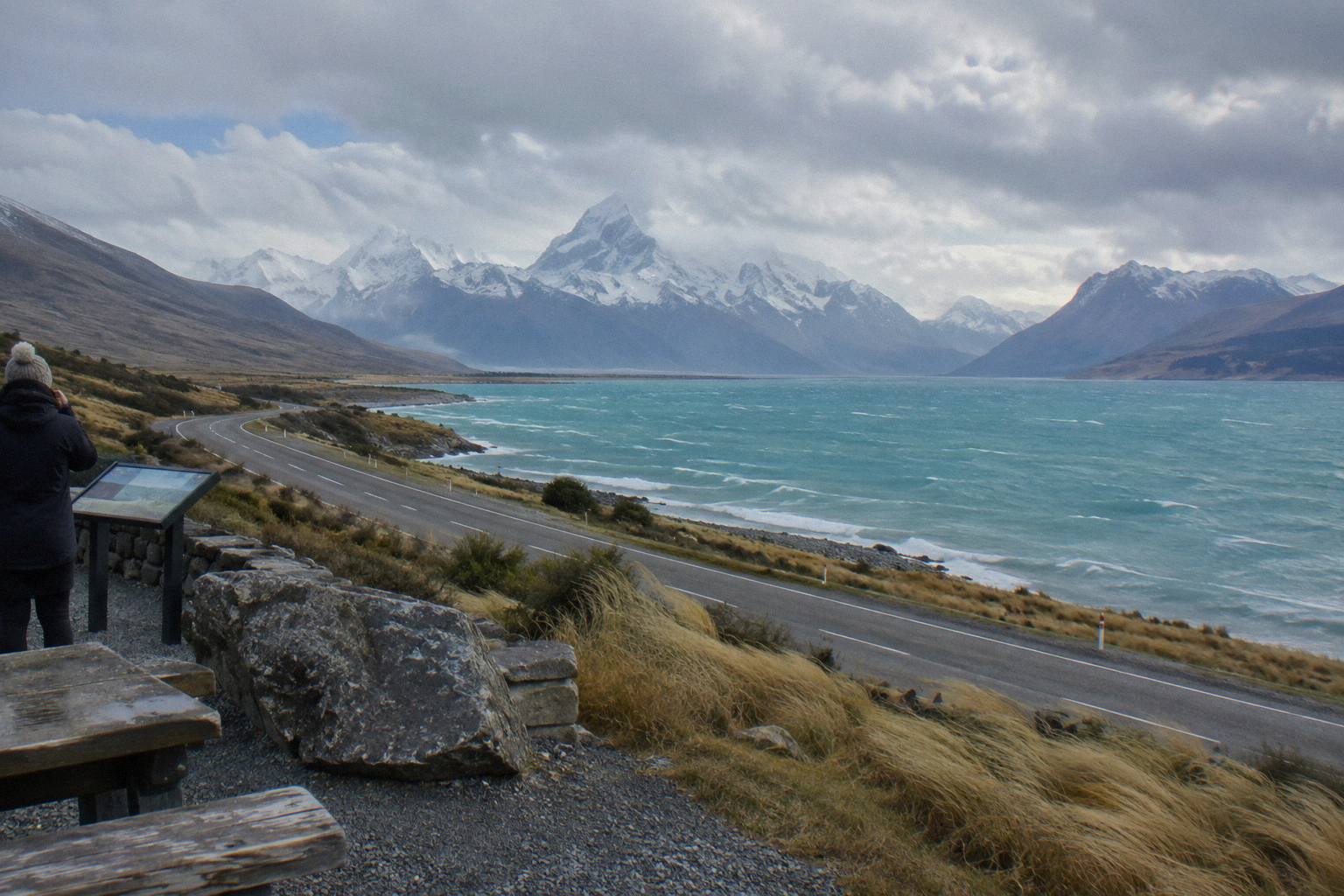
How Much Daylight Do The Walks Need?
The Hooker Valley Track needs about 3 hours return from White Horse Hill, the Tasman Glacier View Track needs about 15 minutes to the viewpoint, and the two together fill most of a day, so daylight hours are the real constraint. The Department of Conservation Hooker Valley page breaks the walk into 15 minutes to the first swing bridge, another 30 to the second, and 45 more to Hooker Lake, in each direction. A winter day that gives you six usable hours still fits the walk, but it leaves nothing for delays.
Add the other timing facts listed and the day takes shape fast. Tasman Glacier View is short and steep with more than 300 steps, 10 minutes to the first Blue Lakes and 5 more to the viewpoint. The Tasman Lake and River Track alternative runs 50 minutes for 2.5 km return and avoids the steps. Kea Point is 3 km with 180 m of height gain. Sealy Tarns is a different animal altogether: 2,200 steps and 600 m of climbing, with the brochure giving 3 to 4 hours return.
That arithmetic is why the full-day shuttle exists. The operator's itinerary puts the Tasman viewpoint at about 10:15, the Hooker Valley at about 11:30 with about 3 hours return, and a regroup at 15:00, for a total of 8.5 hours. In June, when afternoon light fades early, that schedule is tight in a way it never is in January. Stacking Sealy Tarns on top of the Hooker Valley in a single day only works in the longest daylight months, and even then it is a big day out.
Wondering whether the big walk fits a shuttle day at all? The answer is yes, by design: see can the Hooker Valley Track fit a shuttle day trip for how the timing works, including the free shuttle back from the car park.
Is Summer Actually The Easiest Season?
Summer wins on daylight and loses on parking, and the single hardest fact listed is that the Tasman Valley car park is very busy from November to April, which makes early starts the price of a warm-month visit. That is the official wording from the Department of Conservation's track page, and it is the only crowding statement any official source makes about the village. Free parking for cars and campervans sounds generous until half the country arrives in January, so if you are driving yourself in that window, an early start matters more than any other planning choice you will make.
At White Horse Hill, the situation is different because it is metered. The Department of Conservation charges NZ$2.50 per half hour or NZ$25 a day there, free only if you arrive and leave within 20 minutes. Three hours of Hooker Valley walking plus a regroup comfortably crosses the daily cap, so budget the NZ$25 figure into a summer self-drive day. A shuttle sidesteps both car parks entirely: the day tour listing includes a free shuttle from the Hooker Valley car park every 30 minutes from 1:00 to 2:30 PM.
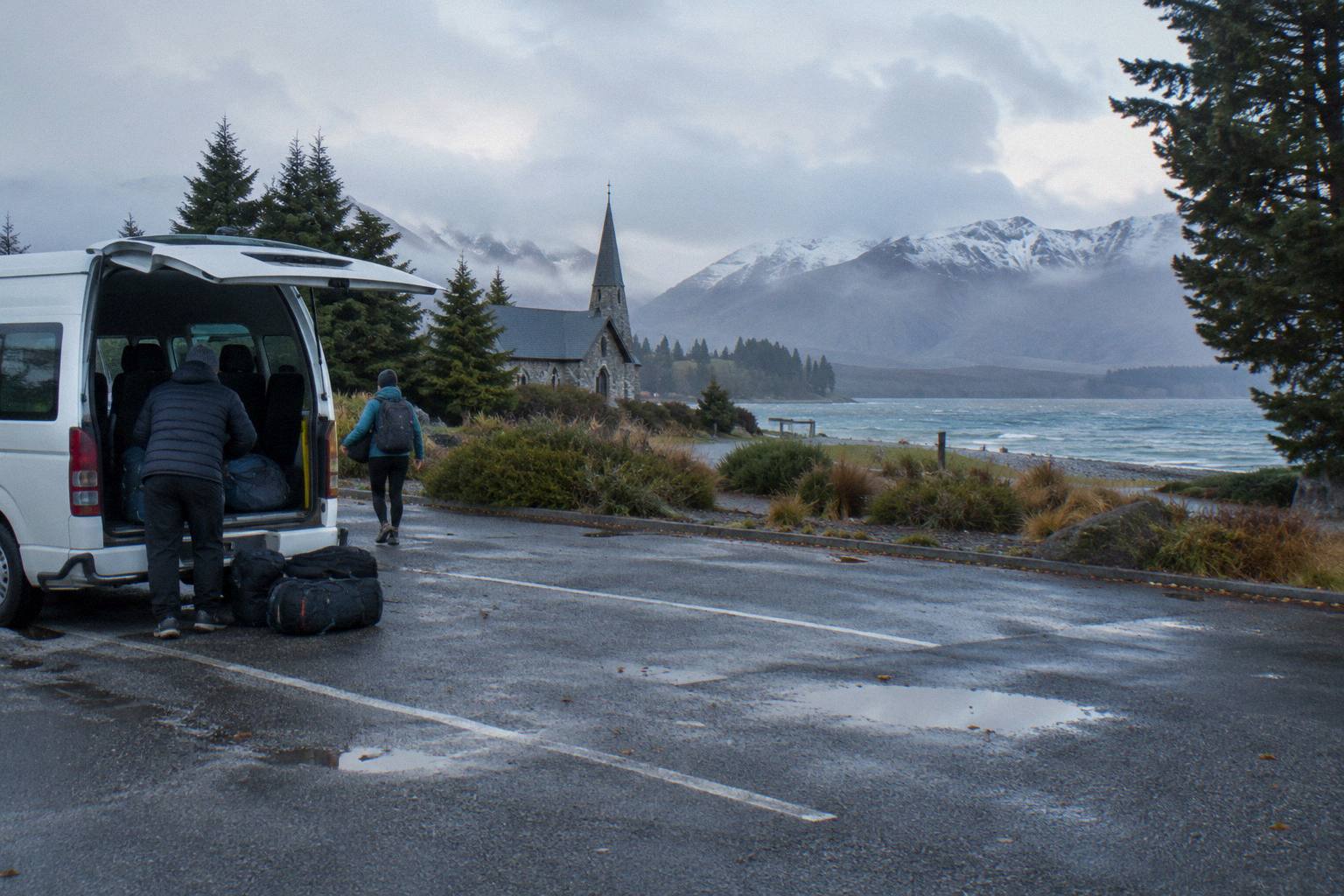
Summer also removes one variable from your kit list. The full-day shuttle includes snow spikes when snowy, which tells you the operator expects the Hooker Valley to hold snow outside the warmer months. From roughly November through April you are unlikely to need them, though the operator makes that call on the day. Peters Lookout, the rest area the shuttle stops at on the drive up, was improved in the NZ Transport Agency's Mackenzie Basin pull-over area works, so the photo stop is a planned feature of the route rather than a roadside gamble.
| Season Pressure | November To April | June To August |
|---|---|---|
| Tasman Valley car park | Very busy | Quieter on the official wording |
| White Horse Hill parking | NZ$2.50 per half hour or NZ$25 a day | Same charges apply |
| Shuttle meeting time | 8:00 (September to May) | 8:30 (June to August) |
| Road risk | Lower, floods still possible | Snow, ice, avalanche closures |
| Snow spikes on shuttle | Less likely, operator decides | Included when snowy |
What Changes If You Go In Winter?
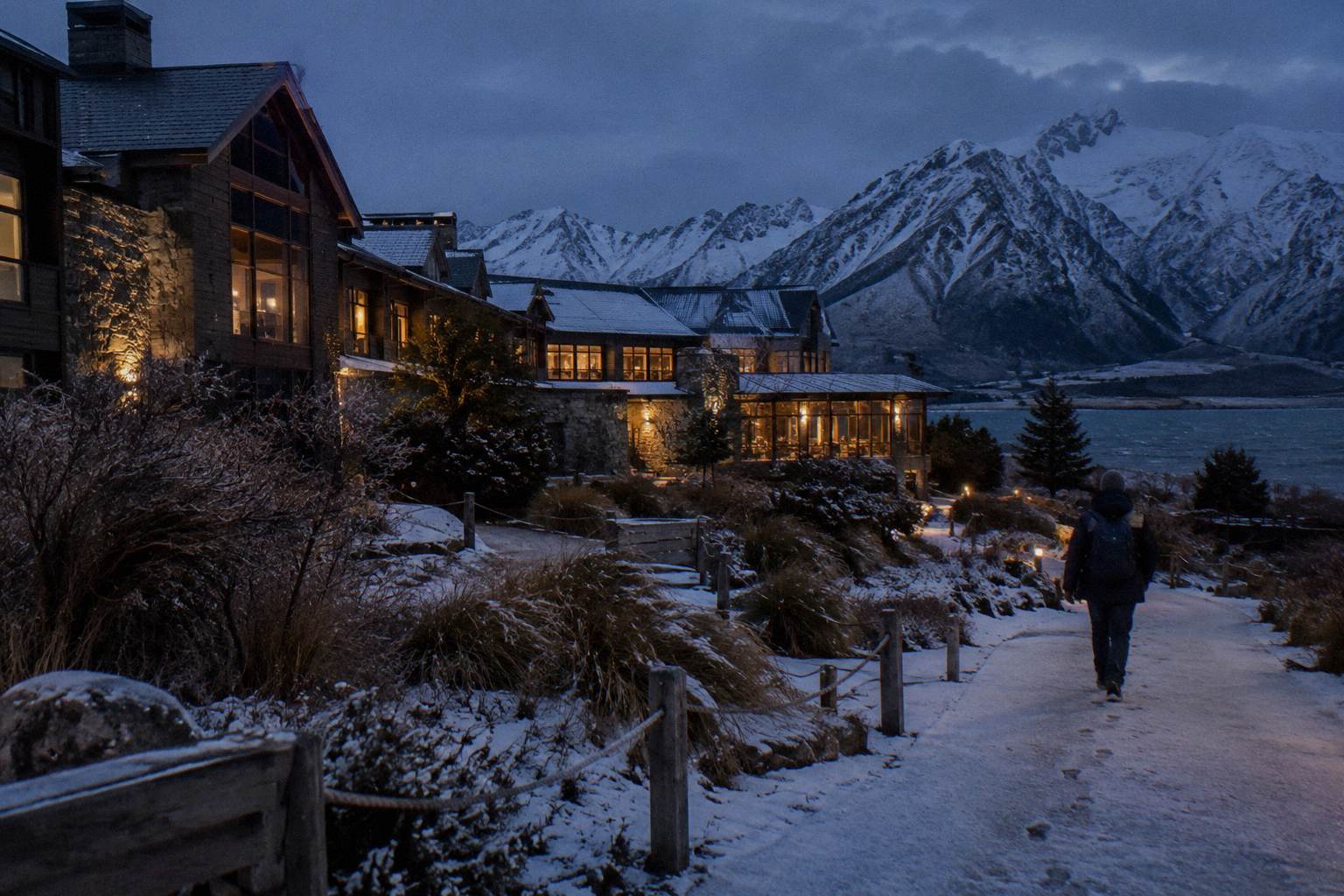
Winter trading parking worries for road access changes everything: the road may close at any time due to snow, the meeting time moves to 8:30 in the morning, and you will need snow spikes on your shoes. Check current road and weather conditions before you set out, because winter conditions here can shut things down without much warning. The June to August version of the day tour starts an hour later, runs the same 8.5 hours, and includes spikes for the Hooker Valley when there is snow on the track. Nothing about the track itself closes for the season in any notice listed, but no current condition can be promised either, and the Department of Conservation pages carry no seasonal shutdown for the main walks.
The trade is this: a winter day buys you quiet car parks and a road that may be closed, while a summer day buys you open road and a queue for a space. If you are visiting in the colder months, a night in Tekapo before and after the village day gives you a fallback if the road shuts, and booking a seat rather than driving also hands the chain-and-ice problem to a driver who runs the road weekly. The village's single self-service petrol pump takes credit card only, worth knowing if you do drive yourself.
Cost does not move with the season in any way the lineup shows. The full-day shuttle is from NZ$169 per person, and prices vary by date, so check the live price for your dates on the booking page. The Small Group, Carbon Neutral alternative from Cheeky Kea Tours runs 5 hours from NZ$275 per person and includes a pre-ordered Fairlie Bakehouse lunch, a shorter format that suits a winter afternoon cutoff. The flight products sit at Mount Cook Airport or Tekapo Aerodrome and depend on flying weather, which the operator judges on the day.
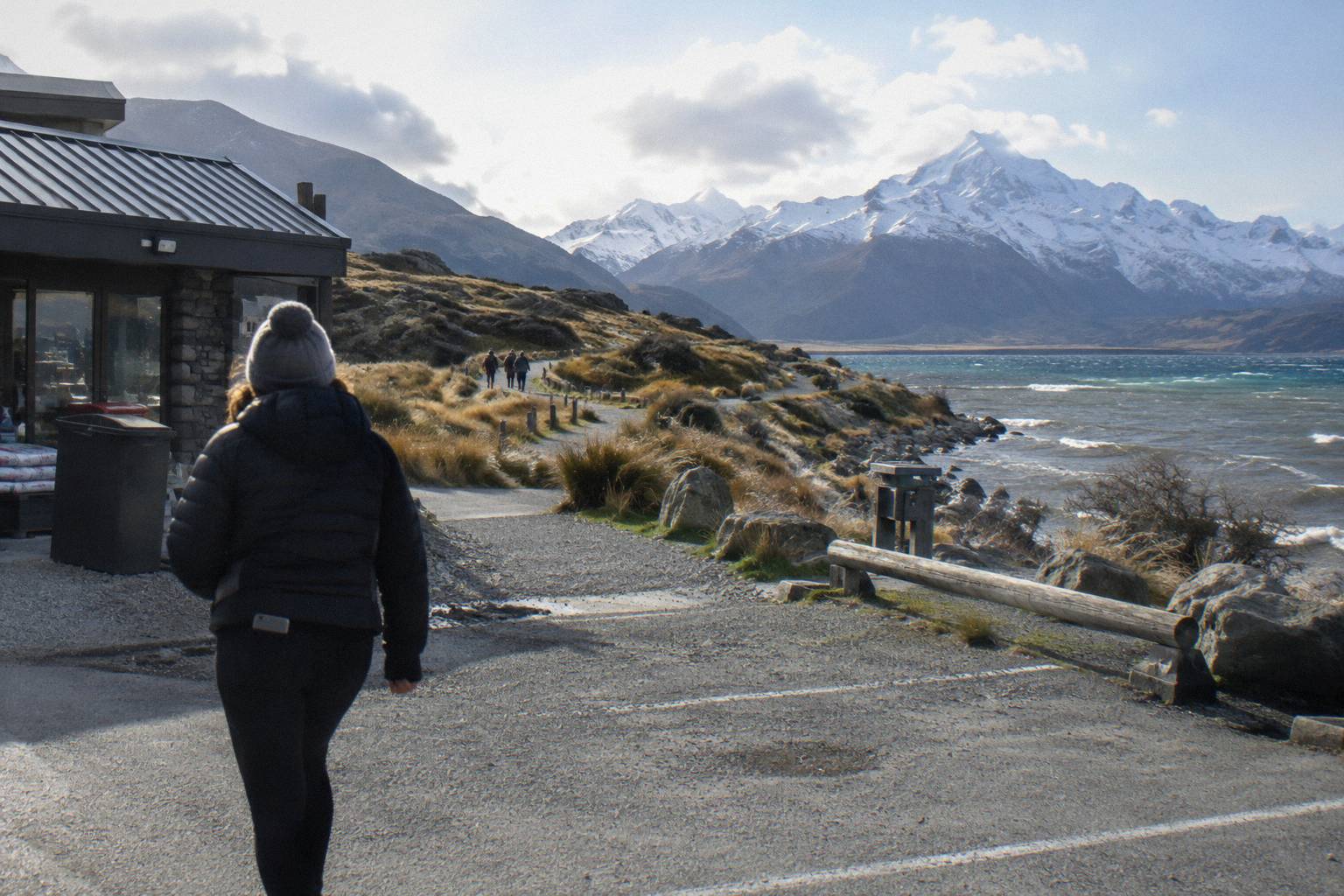
For a small-group day at a gentler pace, the Small Group, Carbon Neutral tour page shows what a 5 hour version includes, or check availability for your dates.
Does The Dark Sky Change When You Should Go?
Yes, timing shifts for stargazing at the Aoraki Mackenzie International Dark Sky Reserve, which can be visited year-round according to its own site, so the dark sky does not pin you to one season. Even so, winter's longer nights give you more dark hours to work with, making colder months the better bet if pure stargazing time is your priority. The reserve covers 4,367 sq km, was designated in June 2012, and takes in the national park, the Mackenzie Basin, Lake Pukaki and Lake Tekapo, at Bortle class 2. Mount John University Observatory sits within it above Lake Tekapo. No stargazing tour is bookable through the products compared here, so treat the night sky as a free layer on any trip rather than a reason to shift your dates.
Where the dark sky does interact with timing is daylight length, indirectly. A winter trip gives you long nights and an early dusk, which suits an evening of stargazing after a shuttle day ends, provided the road back to Tekapo is behaving. The full-day tour's itinerary finishes after the 15:00 regroup, which in midwinter lands you back near Tekapo after dark. That is not a problem, it is a feature, since you are already inside one of the largest dark sky reserves in the world.
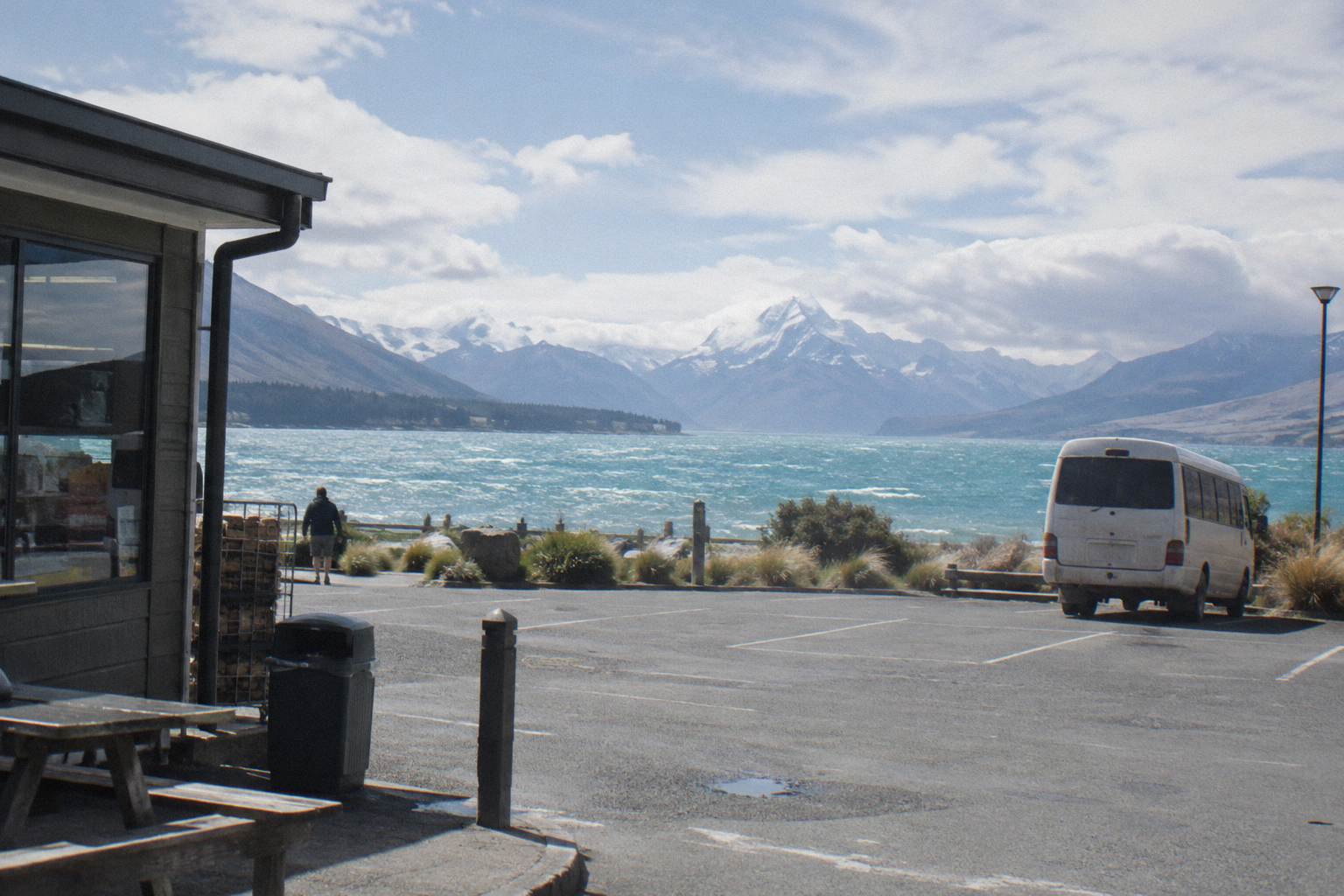
Do not chase a "Gold tier" label, which no official source listed claims for the reserve. The designation, the area and the year are the verifiable facts. If a night around Tekapo appeals, pairing a stargazing evening with a mountain day is simply a matter of booking the shuttle and staying put after dark rather than racing back along State Highway 8.
What Trips People Up Before You Book
The mistakes to avoid before booking are betting on a same-day winter drive, assuming summer parking is easy, treating a weather forecast as a promise, and copying one shuttle's clock times onto a different product. Any one of these can cost you the day you planned, so settle timing, transport, and expectations first. Each is avoidable with one check or one booking decision, and none requires insider knowledge. Every figure in the answers below comes from official sources or the operator listings already cited, so you can act on all four tonight if you want to.
First, the winter drive gamble. The road into the village is a single alpine highway, and its four closure causes do not negotiate with your itinerary. Check the Journey Planner the evening before and again in the morning, and keep a spare night in the plan if you travel June to August. A closure that reopens by mid-afternoon still wrecks a schedule with no slack in it.
Second, the summer parking assumption. "Very busy November to April" is the official description of the Tasman Valley car park, and White Horse Hill charges by the half hour. Arrive early or take a shuttle, and the problem disappears, because the shuttle's free Hooker Valley car park runs every 30 minutes from 1:00 to 2:30 PM on the full-day tour.
Third, forecast worship. No weather statistic for the village appears in any sourced record here, and the mountain makes its own weather regardless of what a regional forecast says. Book a product with workable cancellation terms instead of a perfect forecast, and check the cancellation terms on the booking page once rather than agonising over forecast icons all week.
Fourth, clock confusion. The 8:00 and 8:30 meeting times, the 10:15 Tasman stop, the 11:30 Hooker Valley start and the 15:00 regroup are printed for the Tekapo Shuttle day tour alone. Every other product's start time comes from the booking calendar for your date, so never copy those times onto a different tour.
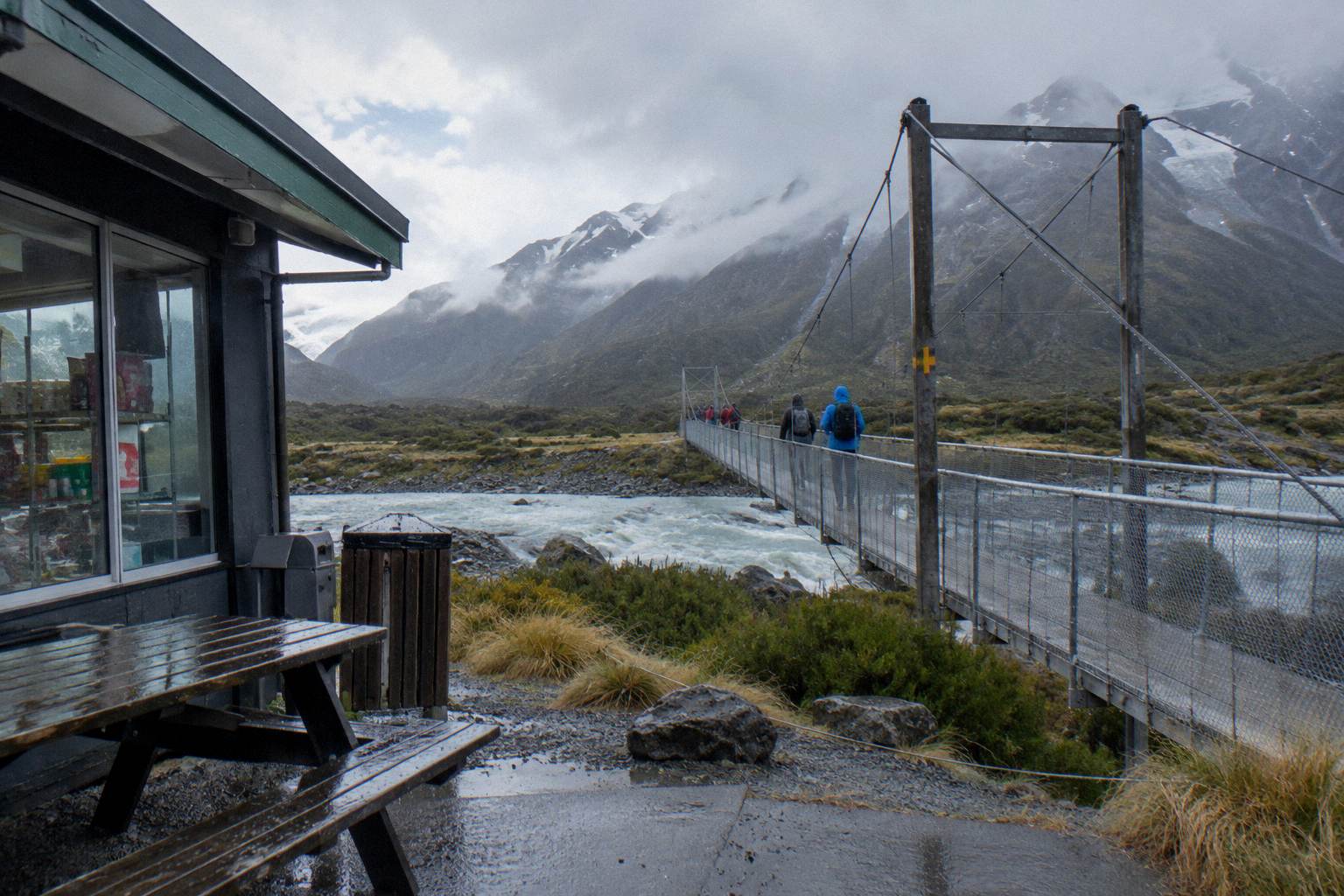
For a visit that pairs the mountain with an onward journey, the Onward To Queenstown Via Mt Cook option runs 9 hours one-way with a picnic lunch included, from NZ$359 per person. Check the live price for your date before committing to that longer day.
Whatever season you settle on, comparing the formats side by side is faster than reading listings one at a time, and Tekapo Shuttle Mt Cook exists to make that comparison in one place.
Common Questions About Timing A Mount Cook Trip
What Is The Best Time To Visit Mount Cook?
There is no sourced best month, because no weather statistics for the village appear in any official record. The plannable facts are the road closure causes, the shuttle's 8:00 meeting time from September to May and 8:30 from June to August, and the busy November to April window at the Tasman Valley car park. Choose your trade-off between daylight, parking and road risk rather than a calendar month.
Is State Highway 80 Open All Year?
The road is open year-round in principle, but snow, ice, avalanche and floods can close it at any time, with closures clustering in the colder months. Check the NZTA Journey Planner or call 0800 4 HIGHWAYS before travel. Chains are often required in snow and ice on alpine highways.
When Is Parking Hardest At Mount Cook?
The Tasman Valley car park is very busy from November to April, per the Department of Conservation's track page. White Horse Hill charges NZ$2.50 per half hour or NZ$25 a day and is free only within a 20 minute window, so both car parks reward an early start in the warmer months.
Does The Shuttle Run Differently By Season?
The full-day shared shuttle meets at Four Square Tekapo at 8:00 from September to May and 8:30 from June to August, and includes snow spikes when the track is snowy. The 8.5 hour itinerary is otherwise the same, with the Tasman viewpoint around 10:15, the Hooker Valley around 11:30 and a 15:00 regroup.
Can You Do The Hooker Valley Track In Winter?
The track has no seasonal closure in any notice listed, and the shuttle carries snow spikes for snowy conditions. It takes about 3 hours return from White Horse Hill car park, so winter daylight is the real limit. No current condition is promised, and the operator decides whether the day runs.
Is Stargazing Better In A Particular Month?
The Aoraki Mackenzie International Dark Sky Reserve's own site says it can be visited year-round. The reserve spans 4,367 sq km and covers both Lake Tekapo and the national park. Winter's longer nights give more dark hours, but no month is required, and no stargazing tour is bookable through the products compared here.